Ecumenical Dialogue, Multilingualism, and the Formative Power of Community at The Lay Centre
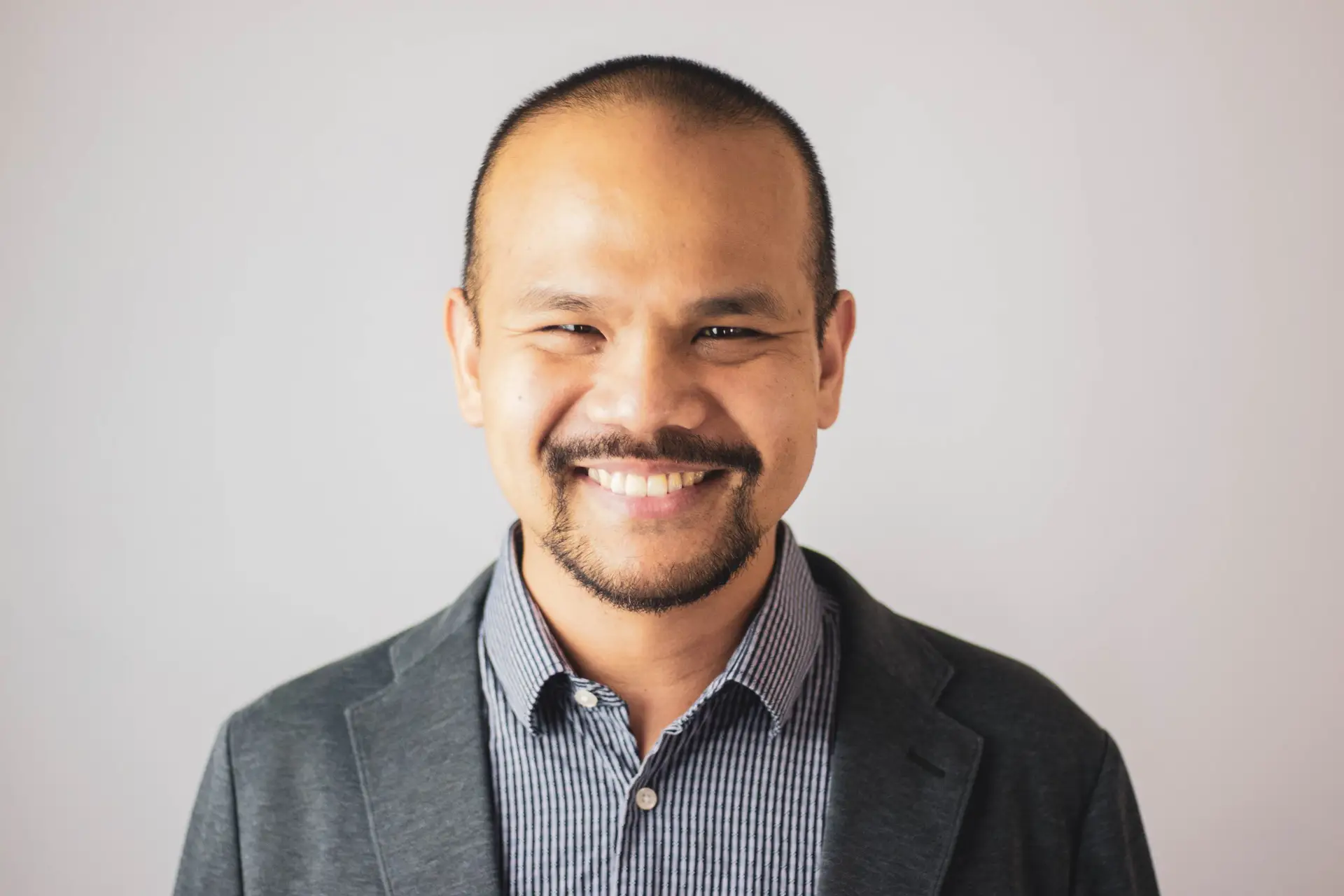
WAGGA WAGGA, AUSTRALIA – Dr. Matthew Tan, Dean of Studies at Vianney College Seminary in the Diocese of Wagga Wagga, lived at The Lay Centre from 2010 to 2011 while studying ecumenical theology at the Angelicum. Looking back nearly 15 years later, he describes a formative experience that offered far more than academic solidarity: “One of the most rewarding aspects of life at The Lay Centre was living in an intentional, spiritual community,” he reflects.
- As we prepare for our 40th anniversary in 2026–2027, The Lay Centre begins this series of alumni profiles.
Finding Community
Matthew first discovered the Centre while searching for accommodations in Rome. “I heard about The Lay Centre before I arrived to start my studies. I was told that this is the place to go as a lay student,” he recalls. Matthew noted that the Centre fills an important gap, as there are very few options specifically designed for lay students in Rome.
“I talked to the then director, Donna Orsuto, and got to know a little bit about The Lay Centre through her. As I became more familiar with the community while in Rome, I knew that the Centre was going to be the ideal place for me.” Although housing was full during his first year, he joined the community in his second. It quickly became clear that the Centre was more than a residence; it was a place that embodied both spiritual and intellectual community.
At the heart of this experience was the dialogue of life, expressed through shared meals, movie nights, and outings. “At the end of the meal, we all gathered for a gelato outside,” he recalled. “Those are the moments that I remember the most. There was a really strong sense of fraternity.” This fellowship extended beyond the house through group explorations of Rome. “We also had spontaneous pilgrimages organized as well. That for me, I found to be a beautiful experience,” said Matthew, recalling trips ranging from religiously significant sites to an agritourism visit to the Agro Romano.
Intellectual Nourishment
Daily life at the Centre revolved around study and shared intellectual pursuit. For Mathew, living among fellow students created constant opportunities for exchange, often in the most informal settings. “Being able to get into a discussion with somebody that’s just a few doors down, that for me proved to be one of the most intellectually nourishing times,” he says.
This academic journey also emphasized the importance of multilingualism. “One lasting aspect of my intellectual life from this experience was having a greater linguistic diversity,” Mathew notes, a skill he continues to cultivate today.
To further support this culture of companionship, the community regularly invited academics, Church leaders, and professionals for communal meals and presentations. Matthew found these encounters particularly impactful. “Because Rome is such an intersection of thought, these meals proved to be quite an eye-opener. We were able to see sectors of the Church, cultural, and media worlds that we would never have been able to see in our home countries.”
Intentional, Ecumenical Living
Having lived in Singapore, Australia, and the United States, Matthew was already familiar with building relationships across cultures. However, residency at The Lay Centre deepened this experience through a shared liturgical life and communal prayer.
For Matthew, this ecumenical setting was a catalyst for spiritual growth rather than a source of tension. He reflected that the experience “made me aware of the idea that the immersion into the mystery of Jesus Christ doesn’t stop at the doorstep of a person of another religion. If anything, it calls you deeper into it.” This culture of encounter reinforced the idea that engaging with others’ beliefs leads to a more profound engagement with one’s own faith.
A Renewed Sense of Vocation
The shared life at the Centre left a permanent mark on Matthew’s vocational path. “I think it solidified my conviction that my place was in the lay state, and in academia,” he reflects. With enthusiasm for the current state of the Church, he notes that laypeople now have unprecedented access to high-level formation: “We now have so many opportunities as lay people to be incredibly well-formed, both in terms of the Church’s own traditions and the Church’s intellectual tradition.”
Today, the impact of The Lay Centre remains a constant in his life through lasting friendships and a commitment to cultural diversity. For those considering a similar path, he encourages openness to having their assumptions challenged regarding the Christian life, trusting that such vulnerability leads to deeper spiritual growth.
As the 40th anniversary approaches, Matthew’s hope is that the Centre remains a vibrant space where academic, spiritual, and communal life converge to form the next generation of lay leaders.


