An Italian Canon Lawyer Reflects on Community, Lay Ministry, and the Power of Encounter
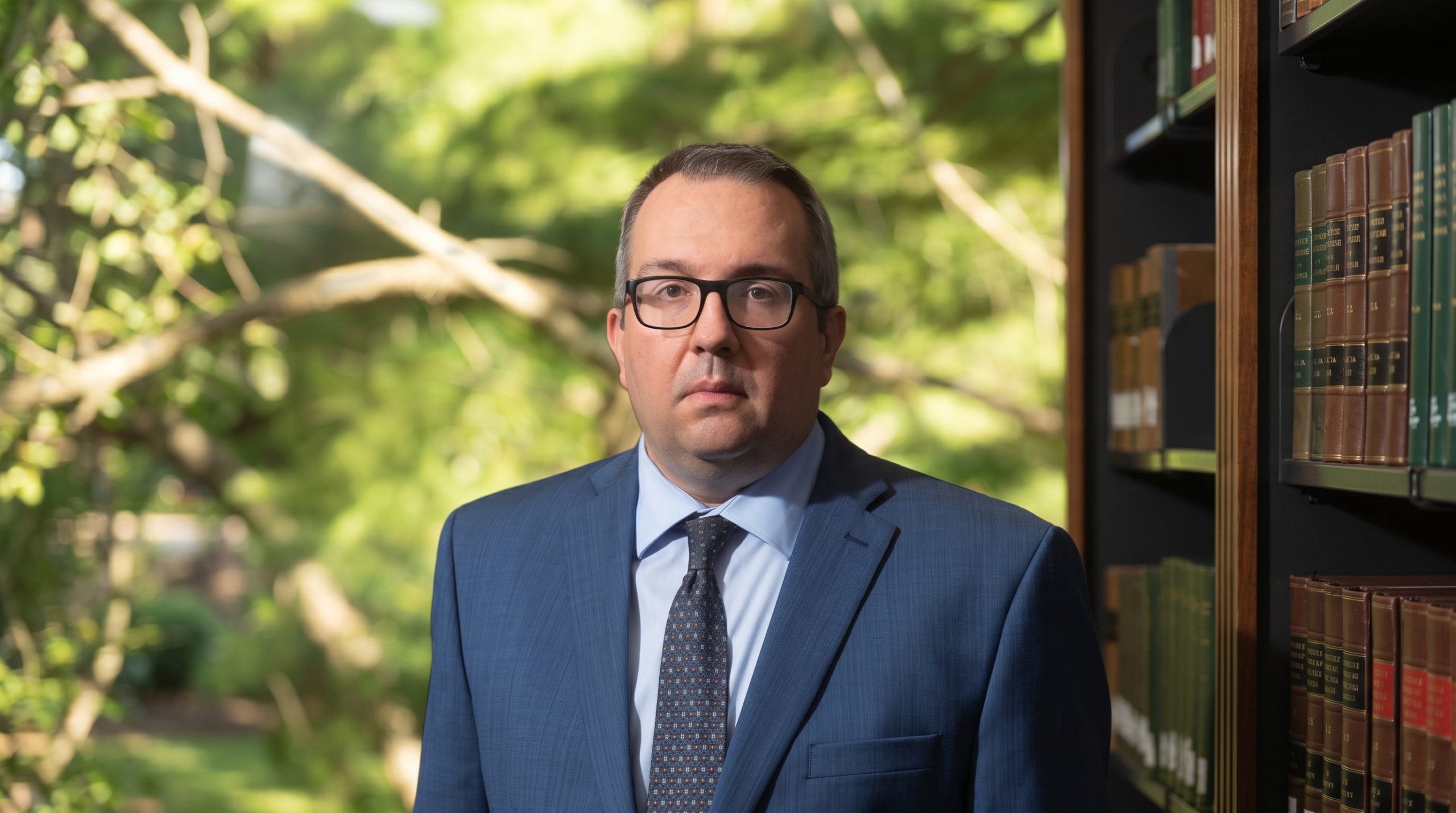
BOSTON, UNITED STATES — Having practiced civil and canon law in Italy before relocating to the United States, Dr. Andrea Ponzone looks back on his residency at The Lay Centre as a defining period that fundamentally shaped his understanding of lay ecclesial ministry and the pastoral nature of law.
“The Lay Centre really broadened my views, especially in the field of canon law, where law tends to be strict and more on books,” he reflects. “It taught me to see law as in the service of people, helping them through law and understanding that life comes first.”
Director of the Office for Canonical Affairs for the Archdiocese of Boston and Adjunct Professor of Canon Law at Boston College, he spent four years as a resident at The Lay Centre from 2007 to 2011 while completing his licentiate and doctorate in canon law at the Pontifical Lateran University.
- As we prepare for our 40th anniversary in 2026–2027, The Lay Centre begins this series of alumni profiles.
Witnessing Growth and Shared Responsibility
Dr. Ponzone’s journey to Rome was driven by a desire to pursue advanced study in canon law alongside an early interest in ecumenical dialogue. While searching for accommodations online, he discovered The Lay Centre’s commitment to building an interreligious and ecumenical community.
Joining in 2007, Dr. Ponzone witnessed a pivotal chapter in the institution’s story. He lived at the original Villa Irlanda residence before assisting with the transition to the Celian Hill in 2009.
“I saw The Lay Centre really growing, from a small community of about ten or eleven students to what it is today,” he recalls.
Throughout his residency, Dr. Ponzone actively lived out the spirit of co-responsibility. Leveraging his background as a civil lawyer, he guided incoming international fellows through visa meetings at local police stations, helped organize the annual Week of Prayer for Christian Unity events at the Centro Pro Unione, and assisted with visiting student groups from Seton Hall University.
The Grassroots Dialogue of Life
For Dr. Ponzone, the heart of the experience was the natural, day-to-day coexistence among scholars from diverse religious and cultural backgrounds. Living alongside fellow Christians as well as Jewish and Muslim residents revealed that true community succeeds through mutual respect.
“I learned how to live in an international, multicultural, and multireligious community,” he shares. “Even though there are differences in our beliefs, religions, and cultures, the most important experience was that it is possible to live together by respecting and understanding each other.”
This culture of encounter gave him a deep sense of community. “It was not only a house for students, where you go, sleep, eat, and study,” Dr. Ponzone notes.
“You participate not because you have to—we were given full freedom—but because people really wanted to participate in events or religious services. The people who decided to live at The Lay Centre shared these moral principles in common.”
The weekly Wednesday evening dinners further fostered this atmosphere by bringing academics, theologians, and Church leaders into intimate dialogue with residents. For him, meetings with figures such as the late Bishop Giorgio Corbellini and theologian Charles Morerod (now Bishop of Fribourg in Switzerland) showed how leadership and service to the Church can be grounded in personal faith and human warmth.
Shaping a Lay Ecclesial Vocation
Living at The Lay Centre shaped Dr. Ponzone’s understanding of lay leadership within the post-Vatican II Church. It illustrated how baptism entrusts every believer with a direct share in the Church’s mission, offering a path for dedicated ecclesial service without losing one’s distinct lay identity.
“That is another aspect of The Lay Centre: to really shape a ministry for laypeople, rooted in what Vatican II teaches,” Dr. Ponzone explains.
“The mission is based on baptism. The Church’s mission is not only for clerics or religious; you can live that as a layperson. The Lay Centre taught me that even as a canon lawyer, you carry out that mission and spirituality while working for the Church.”
He recalls how initiatives at the Centre, such as the Co-Workers in the Vineyard of the Lord initiative, specifically formed laypeople for professional ministry.
This background proved essential when he relocated to the Archdiocese of Boston 13 years ago. Serving as a tribunal judge, tribunal director, and now head of canonical affairs alongside his academic role at Boston College, he applies these values directly to his work. For Dr. Ponzone, canonical structures are not abstract directives but essential instruments of care created specifically to serve lives.
An Enduring Network of Faith and Friendship
Years after completing his studies, the relationships forged at The Lay Centre continue to enrich Dr. Ponzone’s life. He maintains active ties across the globe with fellow canonists, academics, and alumni.
“I’m happy to keep my contacts with people in The Lay Centre through time,” he says, pointing to lasting friendships with fellow lawyers Linda Robitaille and Susan Mulheron, as well as alumni AJ Boyd, Mark Merlino, and Dimitrios Keramidas.
To current scholars, Dr. Ponzone offers simple advice: “Enjoy every second of it, because it will last as part of your memories. It’s an incredible place where you meet great people and gain a lot of experience. You learn from other people, and being in the middle of Rome is a true privilege.”
As The Lay Centre marks 40 years of service, Dr. Ponzone views its mission as vital as ever. “I hope they continue to expand and offer this opportunity to as many people as possible,” he reflects. “What happens there is an incredible service for the Church.”


