A Swedish Lutheran Pastor and Theologian Explores the Richness of Living in Community
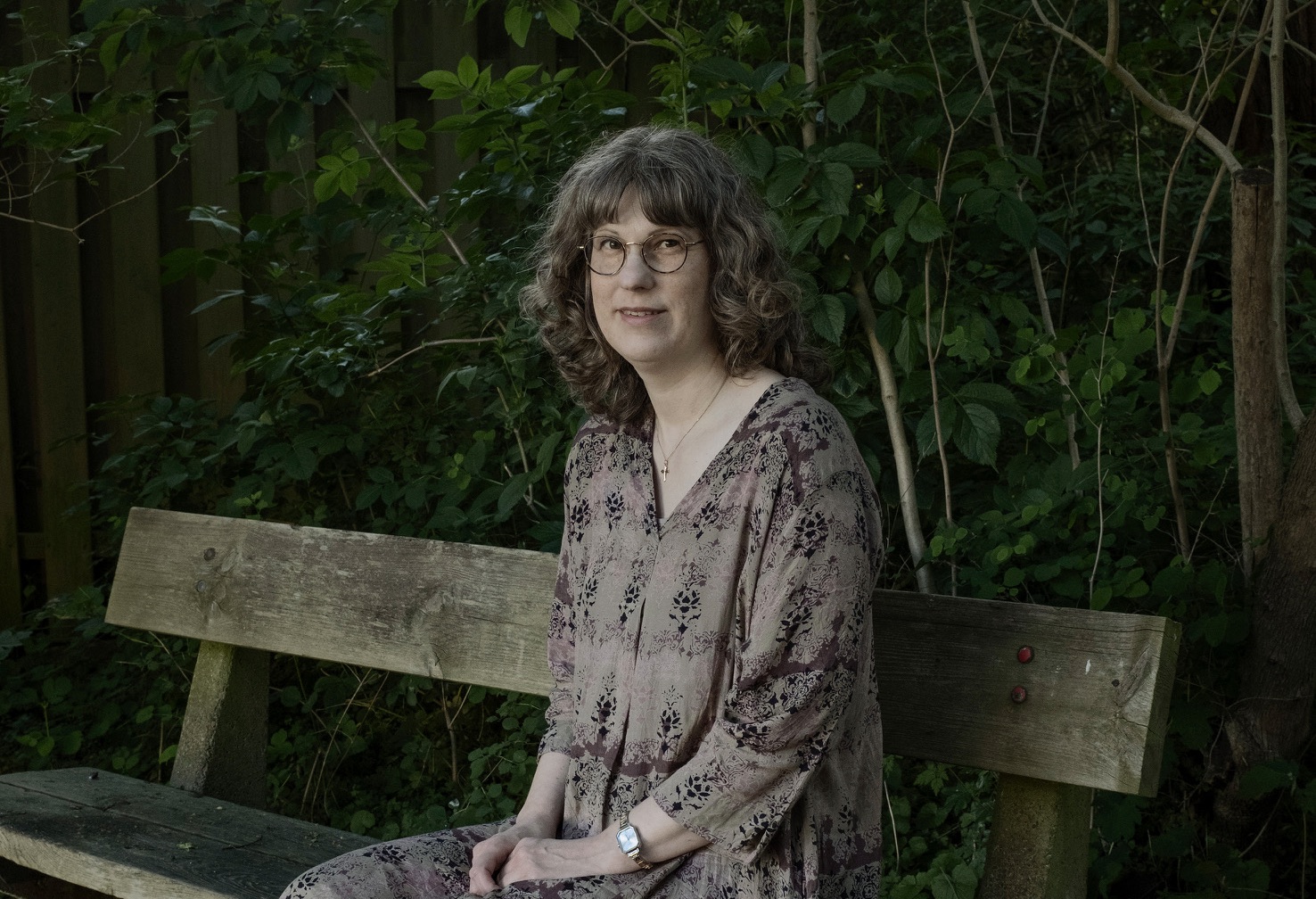
LUND, SWEDEN — Rev. Lisa Buratti, a pastor in the Lutheran Church of Sweden for the past 13 years, recently concluded a five-year assignment as one of six scholars selected to produce a new official Swedish translation of the New Testament. Scheduled for publication this autumn, the translation marks the 500th anniversary of the first Swedish New Testament. Reflecting on her formative years as a resident during two distinct periods of theological study in Rome, Rev. Buratti remarked that “being at The Lay Centre has had the most impact on my life.” She recalls an international community marked by hospitality, deep friendship, and profound ecumenical encounter; one that fostered lifelong relationships and continues to influence her faith, scholarship, and ministry today.
- As we prepare for our 40th anniversary in 2026–2027, The Lay Centre begins this series of alumni profiles.
A Providential Path to Rome
Growing up in Växjö, Sweden, Lisa experienced a calling to ministry in the Lutheran Church early in life. Her eventual arrival in Rome was, in her words, “quite extraordinary.”
“I am half Italian and did not speak the language growing up, so I started reading a magazine called Donna Moderna to keep up with the Italian language,” she explained. In that magazine, there was an article featuring a theological study in Rome that piqued Lisa’s interest while she was studying theology in Sweden. “After I saw this article, I contacted one of my professors at Lund University who had been invited to teach at Pontifical Gregorian University. He told me he had lived at The Lay Centre himself, and he graciously offered to connect me with Dr. Donna Orsuto, the Director at the time.”
During her first residency in Rome (1996–1997), Lisa focused on areas of Catholic theology less accessible in Scandinavia, studying at the Pontifical Gregorian University and the Pontifical Biblical Institute (Biblicum). “Not only did I get to know the Catholic tradition, but because The Lay Centre was so ecumenical, I also came into contact with other denominations and other religions as well.”
She described this ecumenical environment as a privileged space “to learn about each other’s traditions and be part of that Christian heritage.” The Centre at the time was located near the Bridgettine Sisters, which held additional historical and spiritual significance for her, given St. Bridget of Sweden’s importance in her homeland.
In 2001, Lisa returned to Rome to conduct research for her Doctorate in New Testament Exegesis at the Biblicum, once again residing at The Lay Centre.
The Richness of Living in Community
When asked what she missed most about her time at The Lay Centre, Lisa’s answer was immediate: “The community.” One of the most enduring lessons she took from her years in Rome was what she describes as “the richness of living as a lay person in a community.” For Lisa, The Lay Centre was not simply a place to live while studying; it was a place of shared life and mutual formation.
“You stay at The Lay Centre because you are genuinely interested in community,” she said. “You are genuinely interested in learning from others. You are genuinely interested in contributing to the atmosphere and putting some time and effort into that.”
Daily life beautifully balanced rigorous academic study with communal fellowship. After long days of lectures, Lisa always looked forward to gathering for dinner. During her first year at the Centre, residents took turns preparing meals for one another. “Through that experience, we learned about the traditions of the world through food,” she recalled. “Sometimes it was Italian, and sometimes it was food from Korea or Mexico.”
Evenings frequently continued with conversations over tea, group events, films, or visits to local churches. These daily interactions fostered friendships that have endured for decades.
“It gives you a sense of family while you are away from home,” she shared. “It’s a group of people who care about you. If you’re sick, they will look after you. You get friends for life from the experience. I’m friends with quite a few from the Centre. We’re going on 30 years of friendship.”
This enduring fellowship was rooted in hospitality, a core pillar of the Centre’s mission. “Hospitality was so instilled in the whole atmosphere,” Lisa reflected. “And we were also shaped by it.”
Spiritual Formation and Ecumenical Encounters
The liturgical and devotional life of the Centre left a permanent imprint on Lisa, reaffirming her vocation as both academic and minister. Daily rhythms of prayer and song were woven into life together.
“Faith was always so present in the community because of the shared prayers before meals and singing afterward. I still know those songs by heart. I can recite the Salve Regina even though I’m not Catholic because I remember it so well.”
Equally transformative was the spirit of encounter across denominational lines, “to see how alike we are, but also to learn from one another,” she reflected. Friday gatherings and lectures brought this to life, welcoming cardinals, professors, and pastoral ministers to the community’s dialogue.
“I think that all people who come to The Lay Centre give of themselves. The community itself inspires us to share. I encountered a lot of curiosity and interest in my faith tradition—in my way of being Christian.” She added, “It’s beautiful to be able to learn and to speak about your faith in another language, because it becomes another way of expressing yourself that enriches your spiritual life.”
Lisa describes the ideal resident as someone who is confident in one’s own tradition, yet entirely open to meeting, discussing, and being enriched by others. This openness manifested in shared devotional practices, such as waking early during Lent to participate in the traditional station church liturgies across Rome. These experiences deepened her sense of belonging to a worldwide Christianity shaped by many traditions and expressions of faith.
The Lay Centre also served as a critical catalyst for her academic advancement. “I don’t think I would have started pursuing a PhD if I hadn’t been at The Lay Centre,” Lisa admitted. Navigating academic life in multiple languages gave her the scholarly assurance that eventually led to her selection for the prestigious Swedish New Testament translation project. Furthermore, it directly informed her pastoral ministry: “I brought some of these core values with me to parish work,” she added.
A Lasting Legacy of Lay Spirituality
Looking back, Lisa views The Lay Centre as a sustaining fellowship that continues to guide her perspectives on the Church.
“I very much appreciate lay spirituality from the Catholic tradition,” she noted. “And I can see how that is important and how one needs to form communities to not disappear in Rome, where everything is about the clergy and religious orders.”
For her, the Centre offered a different rhythm of life rooted in shared prayer, meals, and everyday presence. “I would describe it as a group of lay people who want to share in community, to pray together, to eat together, to share everyday life. And also learn about other Christian traditions, and other religions as well.” She credits this experience with profoundly shaping her personal, academic, and spiritual journey.
As The Lay Centre marks its 40th anniversary, she hopes its spirit will endure: “I hope the Lay Centre continues to thrive and let more people experience this while studying in Rome.” She adds, “I hope the spirit continues.” Even years later, Lisa still calls it her “home in Rome,” reflecting, “I consider it, perhaps, one of the happiest times in my life.”
Photo: Lisa Buratti
Text: Kristen De Uriate


