A Journey of Discovery, Dialogue, and Shared Horizons
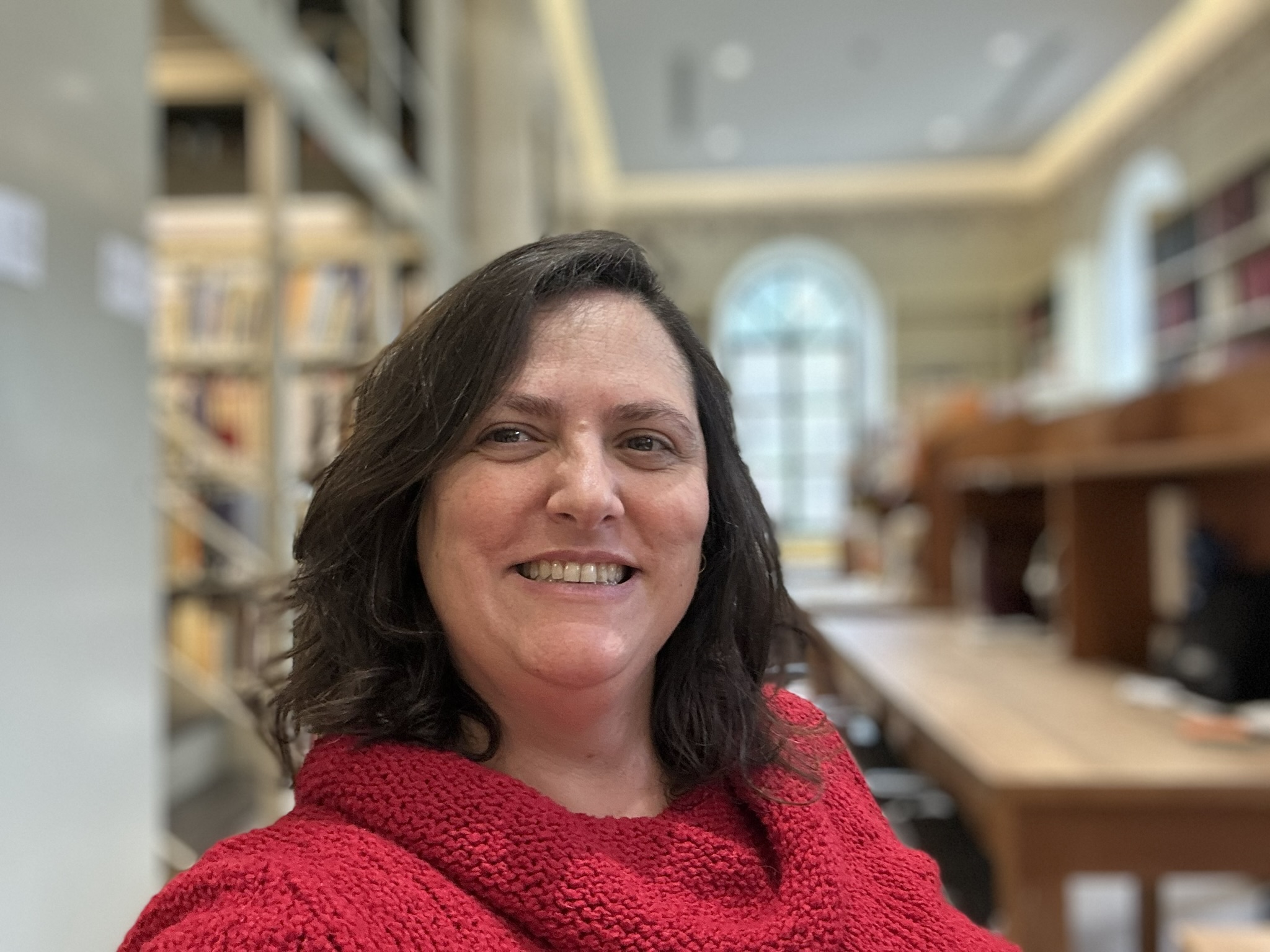
JERUSALEM, ISRAEL — Dr. Shulamit Miller is an archaeologist whose research focuses on urban life and architecture in the southern Levant from the Late Hellenistic to the Early Islamic periods. Currently working on the publication of excavations at Tiberias on the Sea of Galilee, she investigates the intricate remains of early Islamic society. While her professional gaze is often fixed on the ancient past, her approach to the present is defined by a journey that began a decade ago in the heart of Rome.
As we prepare for our 40th anniversary in 2026–2027, The Lay Centre begins this series of alumni profiles.
From Jerusalem to the Aventine Hill
Miller’s time at The Lay Centre dates back to 2013, when she had just begun her doctoral studies at the Hebrew University of Jerusalem. Following the recommendation of a colleague and supported by the Brenninkmeijer-Werhahn Exchange Fellowship, she spent her first residency in Rome as a doctoral fellow at the Cardinal Bea Centre for Judaic Studies at the Pontifical Gregorian University, where she focused on her PhD research in archaeology.
As a Jew, the transition was profound. She describes her arrival as a “kind of shock,” as she entered a world that was completely out of her daily interactions. Living in a community that was mostly Catholic was “definitely something new” and an amazing experience: “I learned a lot about myself as well as about others from it.” She also shared her own traditions with the community, later inviting friends from the Centre to experience Shabbat meals in her home in Jerusalem. These moments became an ongoing dialogue, allowing others to better understand her faith and fostering cross-cultural exchange.
Her first stay coincided with a historic moment for the Church: the resignation of Pope Benedict XVI and the subsequent Conclave. Miller was actually in St. Peter’s Square when the white smoke appeared, and Pope Francis was elected. “It was a crash course for me in Catholicism, and how the Church works,” she says, reflecting on the “whirlwind” of experiencing those monumental events from within a Catholic community.
A Home Away from Home
When Miller returned in 2016 for her second residency, she continued her doctoral work at Hebrew University while based in Rome under the same exchange fellowship. The sense of shock had been replaced by a deep sense of belonging: “It was really sort of like going back to my home away from home that was in Rome,” she says. This second stay allowed her to move beyond the initial learning curve and contribute more deeply to the community.
“I came with a lot more confidence into the community, and I came obviously with more knowledge,” she explains. “But then also in terms of it, I think my being able to share for myself and for my own background […] confidence and experience really do make a difference.”
Her daily rhythm balanced rigorous scholarship with communal life. She spent her days in Rome’s historical libraries and at archaeological sites, returning to the Centre for shared dinners and evening bonding. This transition from an academic interest in other religions to a “lived experience” was pivotal. She witnessed how faith was practiced day to day, finding beauty in the small details of how her companions perceived the world.
The Archeology of Conversation
One of the most enduring aspects of Miller’s time at the Centre was the intellectual cross-pollination. She recalls “insightful conversations” with fellow residents, including the current Lay Centre Director, Filipe Domingues, who was then a PhD student. Despite their different fields –sociology of social media versus 1st-century elite housing– they found common ground in human behavior and how people relate to luxury and culture.
“The ability to be taken out of one’s comfort zone and put into a different situation as long as everyone is respectful of the other,” she explains, “really does build character and open one’s mind about practically everything.”
She also found joy in sharing her own expertise. During her first residency, she organized a trip to Herculaneum and Mount Vesuvius.
“I explained, and I guided the community, and it was really a beautiful experience for me to share from myself and from my own personal expertise […] to bring people into that and show them what I do.”
The Ongoing Dialogue. An Open Mind and Heart
For Dr. Miller, the experience at The Lay Centre was “all gain”: a wealth of information, lasting friendships, and a broadened worldview. Today, she maintains these connections, keeping the “continual dialogue” alive.
As she looks forward to the Centre’s 40th anniversary, she hopes it continues to be “as inclusive and as adventurous as it has been” and serve as a “rock” for people from all over the world. Her advice to future residents reflects the courage it takes to step outside one’s own reality: “Keep an open mind and be willing to be challenged in one’s own perspective and one’s own beliefs […] if you want to be part of the community, the community will embrace you.”
Photo: Shulamit Miller
Text: Regina Hernández


